


Horse Racing Could Bring Changes In Competition From Sports Betting



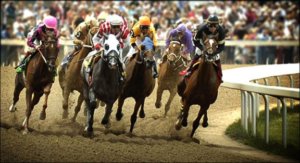 With the repealing of PASPA and the spread of sports betting across the United States, many sporting leagues and associations have joined hands with bookmakers to offer competitive sports betting services to players. However, horse betting – the very first legal sports wagering in the United States – is yet to adapt to the changes the legalized sports betting industry has brought to the arena.
Changing the way bets are made
The changes brought on by sports betting in the wagering landscape in the United States is slowly stripping away the monopoly that horse betting has held for decades. Since early 2018, pro-gambling legislators have advised horse betting service providers to change their betting procedures and pricing models or risk losing out on revenue.
Traditionally, horse racing works on pari-mutuel bets, where the odds are decided based on the number of bettors who wager on a particular horse or a particular pool. In stark comparison, sports betting follows a strict pre-decided odds betting procedure, where bookmakers set the odds in advance, irrespective of the number of teams/players that play and the number of bettors who bet. With sports betting significantly a hassle-free and relatively risk-free experience compared to horse betting, there are now more takers for sports betting, than there are for horse betting.
According to CEO of the National Thoroughbred Racing Association Alex Waldrop, this difference in pricing & betting model is a major cause for concern. Horse betting, unlike sports betting, relies on continuous betting and gambling from punters, for its survival. This isn’t the case with sports betting, where professional and amateur leagues are still financially supported by their respective states, irrespective of how they perform in the betting market. With a lesser number of takers for horse wagering, the industry is already withering due to lack of finances.
The trick to retain a monopoly
One way to ensure the horse betting industry retains its monopoly, says CEO of the Thoroughbred Horseman’s Association Alan Foreman, is to introduce fixed odds in the game. This, he believes, can make the sport more competitive and lucrative.
Another change he recommends is the implementation of analytics and data sharing. Providing punters stats about past races for free, can reduce the risk involved in horse wagering, encouraging more bettors to play. Doing these, believes Foreman, will prevent bettors from migrating from horse betting to sports betting.
When asked how he plans to bring these changes to fruition, Foreman cited Australia as an example. The country down under has successfully implemented fixed odds for its horse betting industry, with highly-promising results. Now all that’s left to be done is to emulate it.