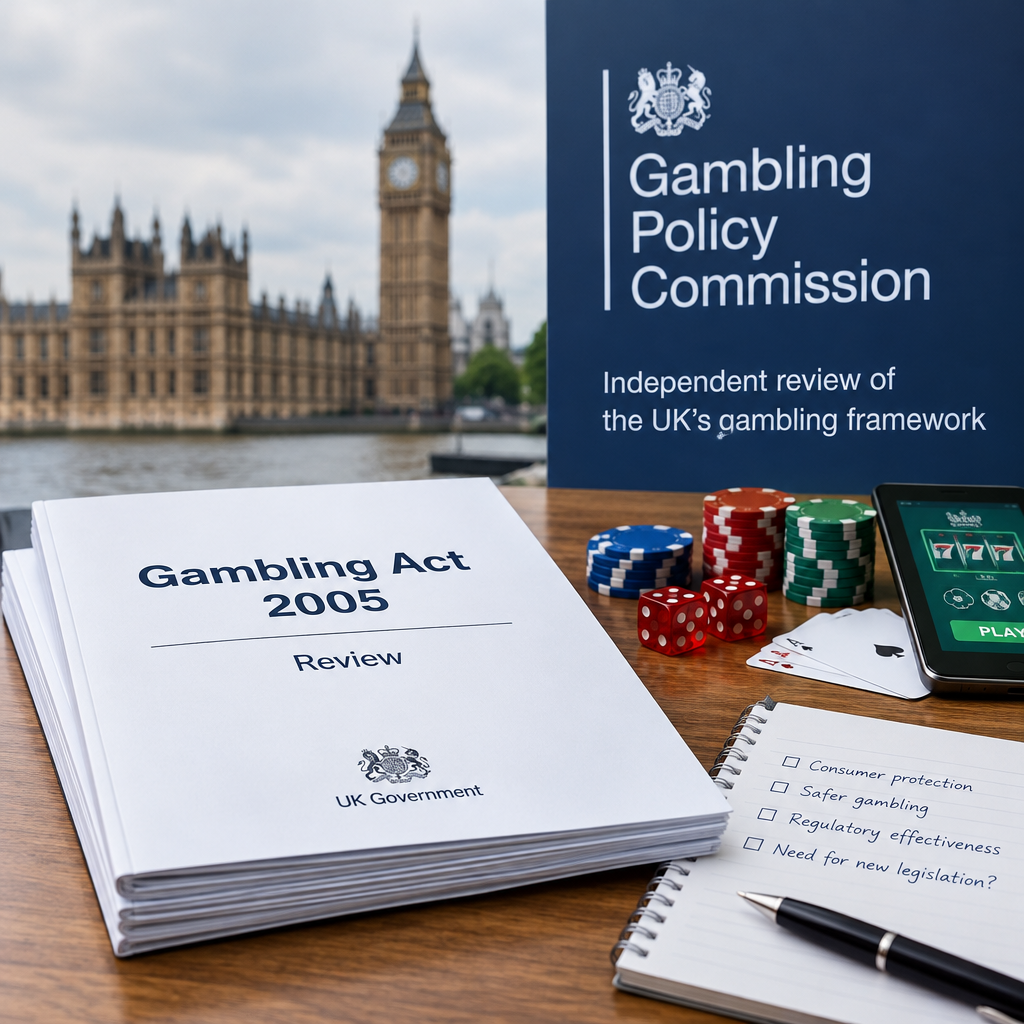
 A newly established independent body, the Gambling Policy Commission, has opened a formal review of the United Kingdom’s gambling framework, examining whether the Gambling Act 2005 remains fit for purpose or whether new primary legislation is required.
Review Scope and Structure
The Gambling Policy Commission will assess whether the regulatory framework established by the Gambling Act 2005 can adequately address the changes that have transformed the gambling sector since the legislation came into force. The review will identify problematic areas of current regulation and consider whether further reform – including potential new primary legislation – may be necessary.
The commission, which is chaired by Jagjit Chadha OBE, professor of economics at the University of Cambridge, has invited organisations, industry stakeholders and individuals to submit evidence and proposals. The call for evidence will remain open until 12 February 2027, after which the commission is expected to issue its findings and recommendations.
Two Decades of Regulatory Change
The Gambling Act 2005 predates the widespread growth of smartphone-based gambling, the expansion of online casino products and the liberalisation of sports betting advertising. Successive governments have sought to modernise the framework without replacing the underlying statute. The most significant recent intervention was the 2023 White Paper, “High Stakes: Gambling Reform for the Digital Age,” which introduced measures including statutory levy contributions, stake limits for online slots, enhanced affordability checks and stricter rules on bonuses and game design.
More recent regulatory activity has included updated standards for gaming machines, changes to online bonus rules such as the ban on mixed-product bonuses and caps on wagering requirements, and intensified enforcement against unlicensed operators. Between April and September 2026, the Gambling Commission issued 1,005 cease-and-desist notices to illegal operators, up from 741 in the comparable previous period.
For licensed operators, the review presents both risk and opportunity. A new Gambling Act could reshape core areas of the operating environment, including advertising, product restrictions, licensing conditions and taxation. However, it could also provide greater legislative clarity than the current framework, which has been amended repeatedly through statutory instruments and licence conditions rather than comprehensive reform.
The betting and racing sectors, in particular, have been encouraged to engage with the process. Commentary surrounding the launch has emphasised that stakeholders wishing to influence the direction of reform should participate in the evidence-gathering phase rather than await its conclusions.
Harm-prevention advocates are likewise expected to submit evidence, and the review follows ongoing parliamentary scrutiny of gambling regulation, including debates on whether current protections are sufficient to prevent gambling-related harm.